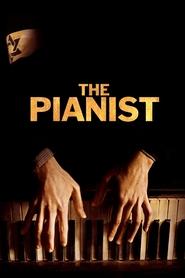
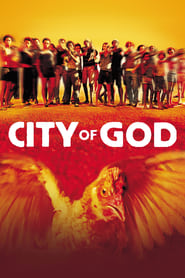
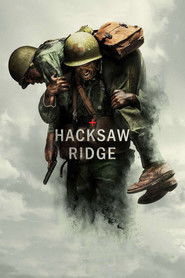
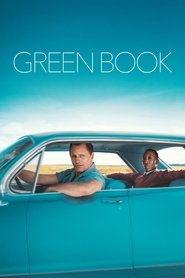

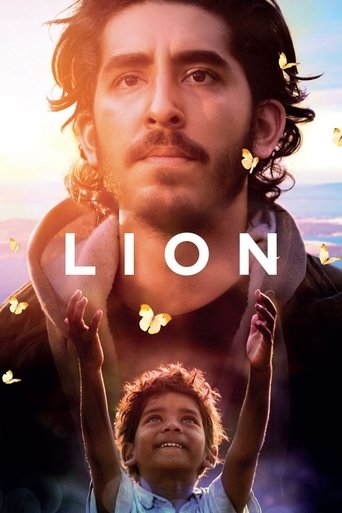
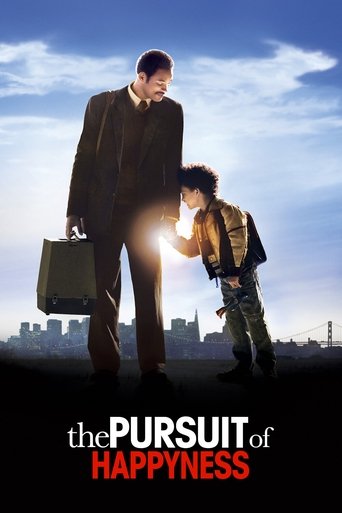
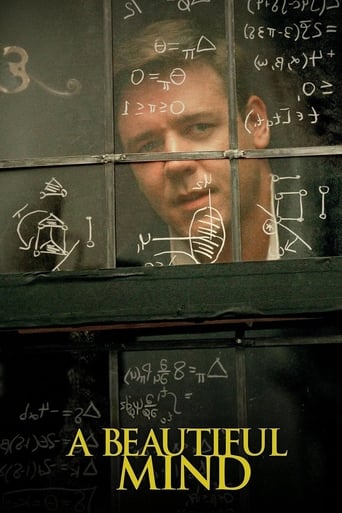
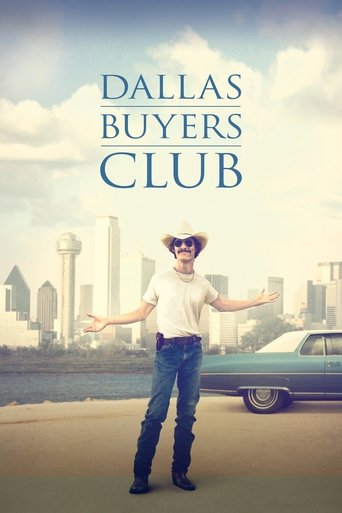
What "based on a true story" is actually promising
Every one of these is a compression
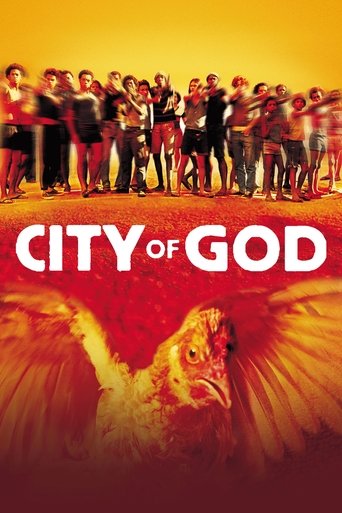
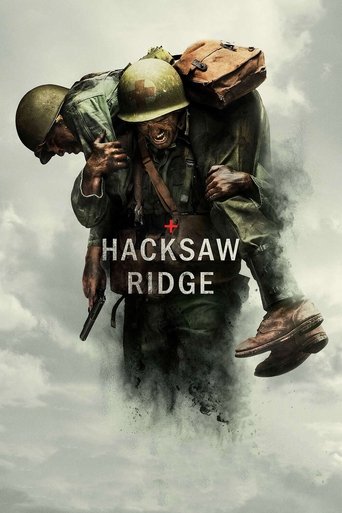
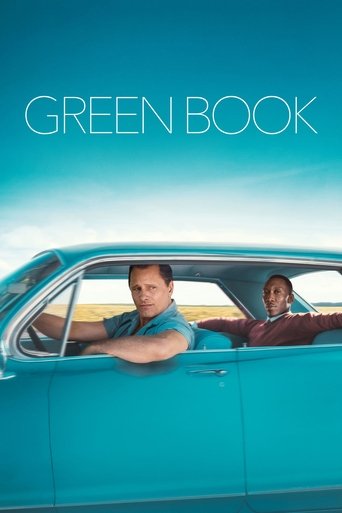
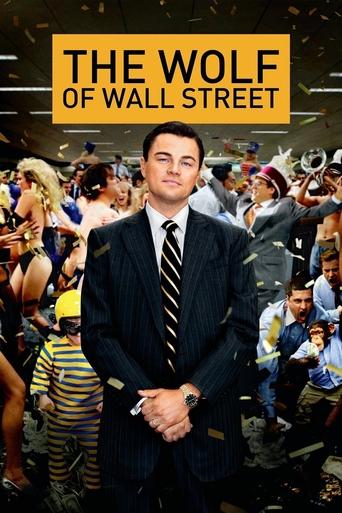
Real events do not arrive with a three-act structure, so every film here has merged people into composites, moved events in time and invented conversations nobody recorded. That is not dishonesty; it is the only way to fit a decade into two hours. It does mean the film is an argument about what happened rather than a record of it.
The good ones are upfront about this in tone — they feel like a telling. The weaker ones present invented scenes with the solemnity of documentary, which is where the genre earns its bad reputation.
The best of them are about a system, not a saint
A story about one exceptional person overcoming odds is inspiring for the length of the film and forgettable afterwards. A story about someone up against a school, a court, an industry or a government leaves you with something transferable, because most people recognise the obstacle even if they will never share the achievement.
That is worth knowing when you scan this list: the titles that stay with people are usually the ones where the antagonist is a structure.
Look the story up afterwards, not before
Reading the real account first turns the film into a fact-checking exercise. Reading it afterwards is genuinely rewarding — you find out what was invented, what was true and, surprisingly often, which unbelievable detail was the one the writers did not have to make up.
It is also the honest way to use this category. These films are a door into the story, not a substitute for it.