











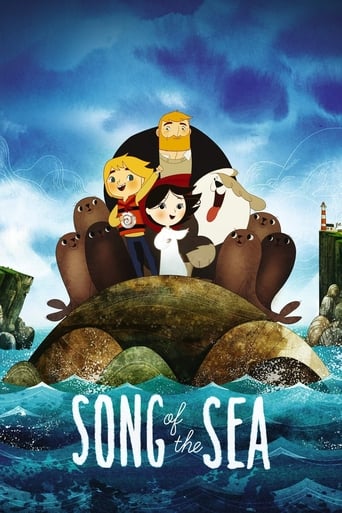



Choosing for a room with a twenty-year age range
Aim above the youngest, not at them
The instinct is to pick for the smallest child, which reliably produces an evening the adults spend on their phones. The better target is a couple of years above the youngest viewer, in a film that has something running underneath for everyone else — a joke aimed over the children's heads, an emotional layer they will only catch in ten years.
The films that manage this are a small, well-known set, and they are worth rotating rather than exhausting. Watching the same four is better than dropping to the level of the youngest every week.
Check the sad middle, not the rating
Age ratings are about content, not about impact. Plenty of universally rated animation contains a bereavement in the first fifteen minutes that will genuinely upset a small child, while a louder, scarier-looking adventure leaves no mark at all.
If you are unsure, a one-line search for what happens in the middle of the film is more useful than any certificate. This list caps at PG-13 and excludes horror, but that is a floor, not a guarantee of gentleness.
Make it a ritual with rules
Family film nights work better with a fixed structure: same evening, phones down, whoever chooses this week does not choose next week. It removes the negotiation, which is the part everybody dislikes.
It also quietly teaches children to finish things they did not pick, which is more than most viewing habits manage.