
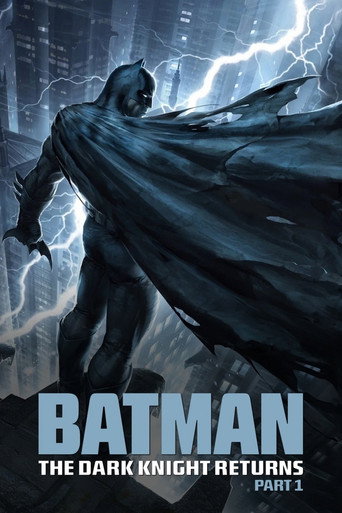

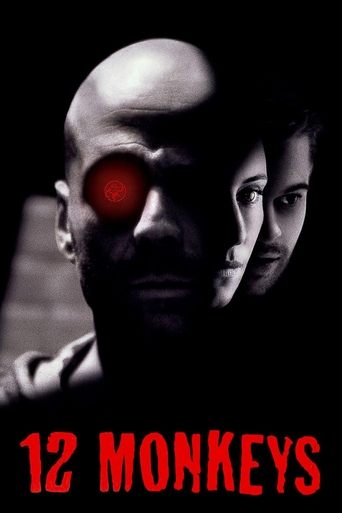
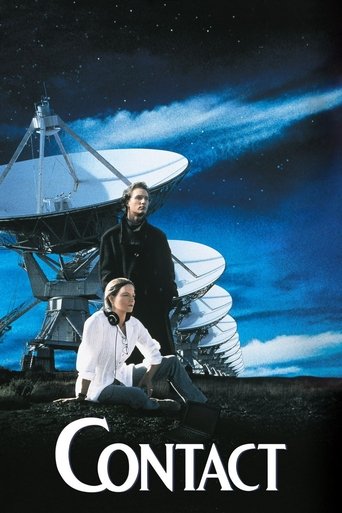
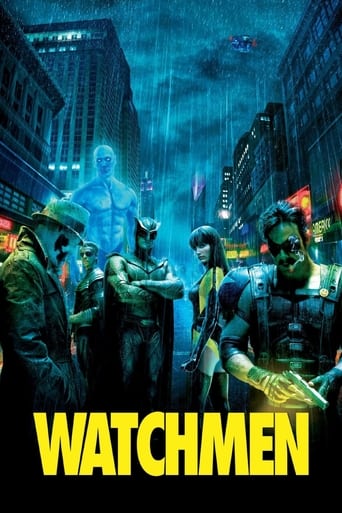
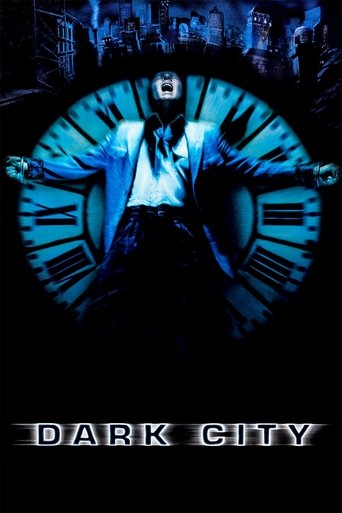
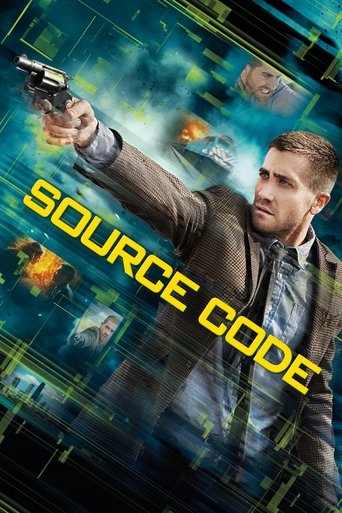
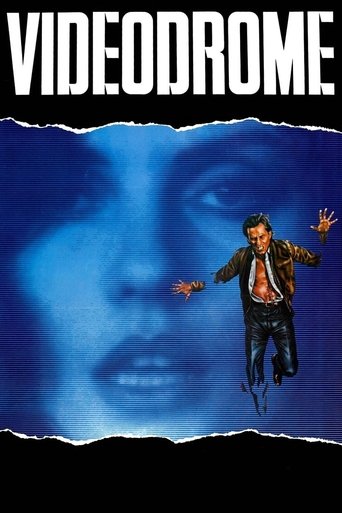
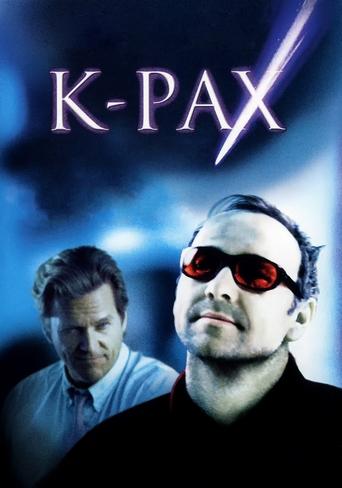
How to watch a film that is trying to confuse you
Puzzle films and unstable films are different things
A puzzle film has a solution. The pleasure is in assembling it, and the ending confirms whether you were right — timelines, identities, a mechanism that clicks into place. An unstable film refuses to resolve on purpose; its subject is uncertainty itself, and demanding a solution is the one way to guarantee frustration.
Both appear on this list and they ask for completely different attention. Knowing which one you have started saves the evening.
Resist the urge to look it up halfway
These films are built to be misunderstood for a while. Pausing to read an explanation at the ninety-minute mark converts a film into a summary, and you cannot go back. Whatever confusion you are feeling is usually intentional and usually addressed.
The genuine exception is a second viewing. Reading the arguments afterwards and going back in with a hypothesis is one of the real pleasures here, and several films on this list are constructed specifically to reward it.
Watch alone or with exactly one other person
Three or more people means someone will ask what just happened, someone else will answer, and the film will spend the next ten minutes being explained rather than watched. Two people can hold a theory in silence until the end.
And save these for when you are alert. This is the category where a tired viewer and a bad film are indistinguishable from a tired viewer and a great one.